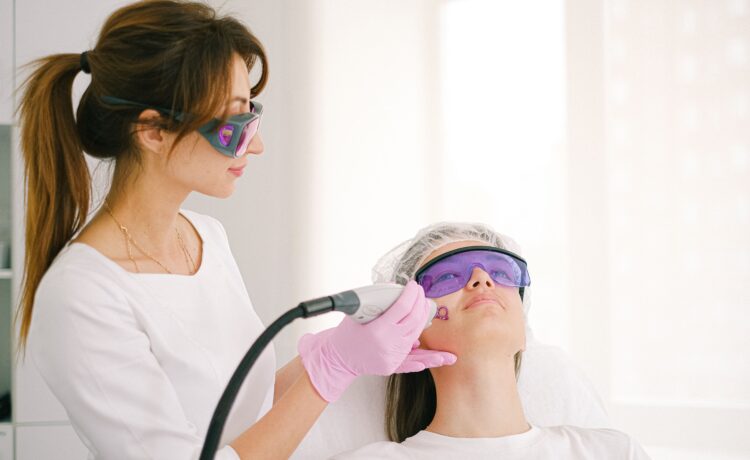
Modern laser technology has transformed the personal care and cosmetic treatment industry by offering advanced solutions for a wide range of skin and aesthetic concerns. Laser treatments use concentrated beams of light to target specific areas with controlled energy, allowing professionals to perform procedures with greater precision. From hair reduction and skin rejuvenation to pigmentation correction and scar improvement, these technologies have become increasingly popular in professional clinics and aesthetic centers. As equipment continues to advance, modern laser systems offer improved treatment flexibility, adjustable settings, and options for different skin types and individual requirements.
The growing popularity of laser treatments is largely connected to their ability to address specific cosmetic concerns without requiring traditional surgical procedures. Many treatments are minimally invasive and can be performed in professional settings with relatively limited downtime, depending on the procedure and technology used. Understanding how these systems work, their intended applications, and their limitations can help individuals make informed decisions before choosing a particular treatment.
Understanding Different Types of Laser Technologies
Several types of laser technologies are used in personal and cosmetic treatments, each designed to address particular concerns. Diode lasers are commonly associated with professional hair reduction, while Alexandrite and Nd lasers are used for selected hair and pigmentation treatments depending on skin type and clinical suitability. Fractional laser systems are designed to improve certain skin texture concerns, fine lines, and acne scarring by creating controlled treatment zones that encourage the skin’s natural renewal process. CO2 lasers are also used in professional dermatology for selected resurfacing procedures and other skin concerns. Understanding the different technologies available through providers such as www.lazerwizard.com.au can help individuals learn more about treatment options and their intended applications.
Each laser system operates at specific wavelengths and delivers energy differently, influencing how it interacts with the skin and underlying tissue. Some technologies target pigment within hair follicles, while others are designed to address pigmentation, skin texture, or signs of ageing. Choosing the appropriate technology requires consideration of the treatment area, skin tone, hair characteristics, and desired outcome. Professional assessment is essential because not every laser system is suitable for every individual or cosmetic concern.
Popular Applications in Personal and Cosmetic Treatments
Laser technology is widely used for several cosmetic procedures, with hair reduction being one of the most recognized applications. Professional laser hair reduction treatments target pigment within hair follicles to reduce future hair growth over multiple sessions. Other applications include improving the appearance of selected pigmentation concerns, treating certain vascular lesions, reducing the visibility of acne scars, and addressing uneven skin texture. Some laser systems are also used for skin resurfacing and rejuvenation to improve the appearance of fine lines and sun-related skin changes.
The suitability and effectiveness of each treatment depend on several individual factors, including skin type, treatment history, the specific condition being addressed, and the technology selected. Most cosmetic laser procedures require a series of sessions rather than a single appointment because hair growth cycles and skin renewal processes vary. Results also differ between individuals, making realistic expectations and professional consultation important parts of the treatment process. A qualified practitioner can recommend an appropriate treatment plan based on individual needs and clinical assessment.
Safety Considerations and Choosing the Right Laser Treatment
Safety should always be a priority when considering modern laser treatments. Although professional laser systems are designed to deliver controlled energy, incorrect equipment selection, unsuitable settings, or inadequate operator training can increase the risk of burns, irritation, pigmentation changes, and scarring. Before undergoing a procedure, individuals should consult a qualified dermatologist or appropriately trained medical professional who can evaluate their skin condition, medical history, and suitability for the treatment.
Protective eyewear, appropriate skin preparation, equipment maintenance, and adherence to manufacturer guidelines are important safety requirements. Individuals should also discuss possible side effects, recovery expectations, and aftercare instructions before starting treatment. Sun protection is particularly important around many laser procedures because recently treated skin can be more sensitive to ultraviolet exposure. Choosing a reputable clinic with properly maintained equipment and experienced professionals can help reduce avoidable risks and support a more responsible treatment experience.
Evaluating Modern Laser Equipment and Treatment Quality
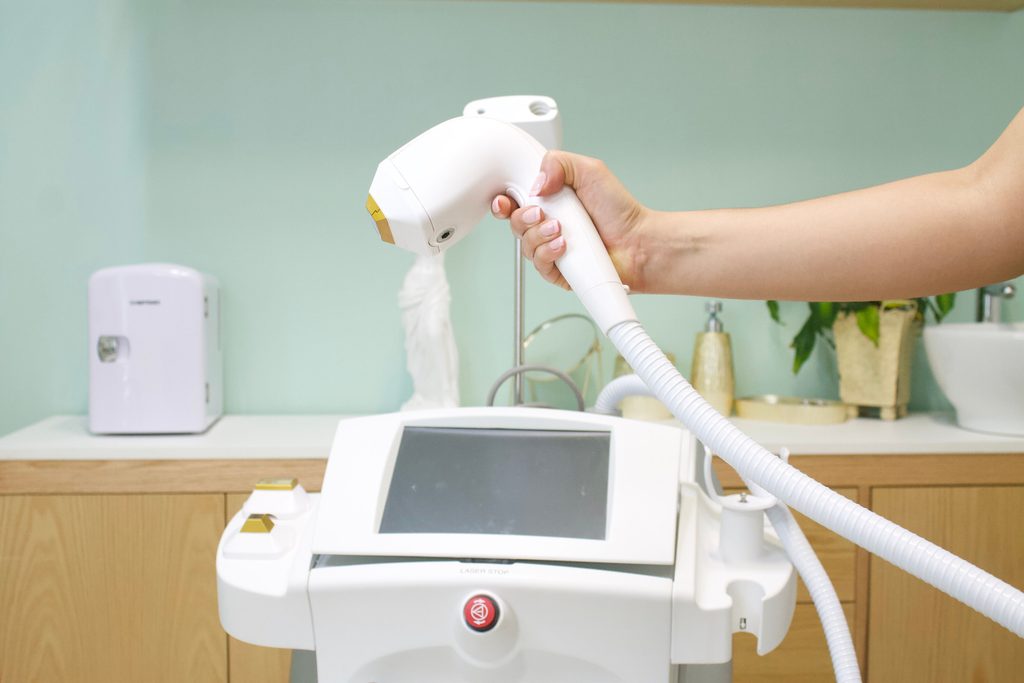
For individuals researching cosmetic clinics or considering professional laser services, understanding equipment quality can help when comparing available options. Important considerations include the laser technology, wavelength, cooling system, treatment settings, manufacturer reputation, and suitability for different skin types. Modern systems may include integrated cooling mechanisms and adjustable treatment parameters designed to improve comfort and support controlled energy delivery. However, advanced features alone do not guarantee effective or safe results; proper training, clinical assessment, and responsible treatment protocols remain essential.
Professional clinics should also maintain clear equipment servicing records, follow appropriate hygiene standards, and provide detailed information about treatment procedures. Individuals should feel comfortable asking about the technology being used, the practitioner’s qualifications, expected results, potential risks, and the number of sessions likely to be required. Comparing these factors can help distinguish professional treatment services from facilities that make unrealistic promises or offer procedures without adequate assessment.
Making Informed Decisions About Laser Treatments
Modern laser technology offers a range of cosmetic and personal care solutions, but selecting the right procedure requires careful research and realistic expectations. Different systems are designed for different applications, and their suitability depends on individual skin characteristics, treatment goals, and professional recommendations. Understanding the technology, potential benefits, limitations, and safety requirements helps individuals approach cosmetic treatments with greater confidence.
Before committing to a treatment, it is advisable to arrange a professional consultation, discuss any existing skin concerns, and review the expected treatment process and aftercare requirements. Individuals should avoid choosing a procedure based solely on price, promotional offers, or advertised results. Instead, prioritize practitioner qualifications, equipment quality, transparent communication, and appropriate safety standards. With the right professional guidance and a suitable treatment plan, modern laser technology can provide useful options for addressing selected cosmetic concerns while supporting a more informed and responsible approach to personal care.