Libraries have long been sanctuaries of knowledge, offering a refuge for readers and learners alike. But as the world evolves, so do the ways we engage with information. The design of library spaces plays a crucial role in shaping our experiences within these walls. Imagine walking into a library that feels inviting and functional—a place where every piece of furniture serves a purpose while enhancing comfort and creativity.
Thoughtful furniture design can transform libraries from mere repositories of books into vibrant community hubs. It influences how people interact with each other, access resources, and find inspiration among shelves filled with stories waiting to be discovered. As we delve deeper into this topic, we’ll explore how innovative designs not only meet the needs of users but also foster an environment conducive to learning and collaboration. Join us on this journey to understand just how powerful well-designed furniture can be in reimagining library spaces for everyone who steps through their doors.
The impact of furniture design on library environments
Furniture plays a crucial role in shaping library environments. It goes beyond aesthetics; library furniture influences how users interact with the space.
Thoughtfully designed furniture can create zones for collaboration, quiet study, or relaxation. Flexible seating arrangements encourage group discussions while ensuring individual comfort. This adaptability meets diverse needs.
Moreover, ergonomic designs promote health and well-being. Comfortable chairs and adjustable tables invite longer visits, enhancing the overall experience of library patrons.
Color choices and materials also matter significantly. Warm tones can create a welcoming atmosphere, making visitors feel at home in their surroundings.
Libraries are community hubs filled with potential for learning and exploration. The right furniture transforms these spaces into dynamic areas that inspire creativity and knowledge sharing among users from all walks of life.
Understanding the needs and preferences of library users
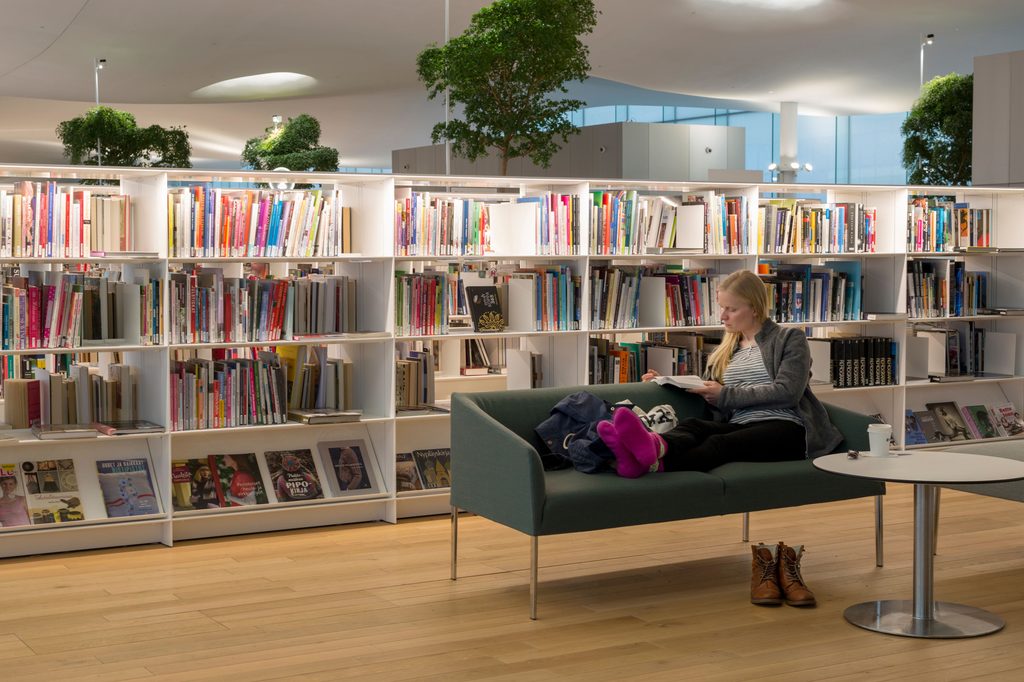
Understanding library users is essential for creating spaces that resonate with their needs. Users come with diverse backgrounds and preferences, influencing how they interact with the environment.
Some individuals seek quiet corners to immerse themselves in a book. Others thrive in collaborative areas where ideas can flow freely. Recognizing these varying desires helps shape furniture choices and layout designs.
Comfort plays a pivotal role too. Ergonomic seating options are vital for those who spend hours studying or reading. Adjustable tables accommodate different activities, whether it’s group work or solitary study sessions.
Accessibility cannot be overlooked either. Furniture must cater to all abilities, ensuring everyone feels welcomed and supported within the space.
Engaging with library patrons through surveys or feedback sessions provides invaluable insights into their experiences and wishes. By truly listening, libraries can evolve into inviting havens tailored to meet user expectations.
Examples of innovative and thoughtful furniture design in libraries
Libraries around the world showcase innovative furniture designs that enhance user experience. For example, modular seating allows visitors to rearrange spaces according to their needs. This flexibility fosters collaboration and encourages group study.
Another exciting trend is the integration of technology into furniture. Desks with built-in charging stations keep devices powered while users immerse themselves in research or reading.
Creative shelving solutions also play a role in transforming library environments. Curved shelves not only save space but create inviting nooks for quiet contemplation.
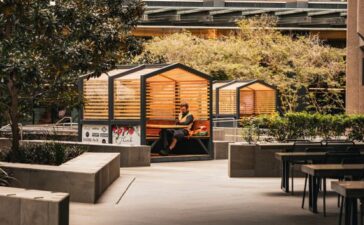
Moreover, outdoor reading areas equipped with weather-resistant furnishings invite patrons to enjoy literature amidst nature. These thoughtful choices bridge comfort and functionality, making libraries more accessible and enjoyable for everyone who walks through their doors.
Challenges and considerations when implementing new furniture designs
Implementing new furniture designs in libraries is not without its hurdles. Libraries often operate on tight budgets, making it essential to prioritize investments wisely. High-quality furniture can be costly, and securing funding for renovations or upgrades may prove challenging.
Furthermore, the existing layout of a library might limit options for new designs. Furniture must fit into specific spaces while adhering to safety regulations and accessibility standards. This requires careful planning and consideration to ensure that any changes enhance rather than hinder the user experience.
Another aspect to think about is the diversity of library users. Each visitor has unique needs—students studying solo may prefer quiet corners with individual seating, while community groups might benefit from collaborative workspaces equipped with modular furniture. Balancing these varying requirements can complicate design efforts.
Getting buy-in from stakeholders such as librarians, patrons, and local government officials is crucial for successful implementation. Engaging these groups early in the process helps refine ideas and fosters a sense of ownership over the changes being made.
Addressing these challenges thoughtfully leads to more effective design decisions that resonate with users’ needs while revitalizing library environments overall.