Your vehicle is more than just a mode of transportation; it’s an investment, a statement, and often, a source of pride. Few things can ruin that pride faster than chips, scratches, and blemishes on your car’s paint. Road debris, harsh weather conditions, and everyday wear-and-tear can wreak havoc on your vehicle’s exterior. Fortunately, there’s a solution designed to keep your car looking fresh: protective film.
Imagine driving down the highway without worrying about what might strike your paint job next. Picture yourself confidently parking in crowded lots or navigating through gravel roads knowing that you have an invisible shield guarding against potential damage. Whether you’re someone who cherishes every detail or simply wants to maintain resale value for years to come, understanding protective films could change how you care for your vehicle forever.
Let’s take a closer look at how this remarkable technology works and why it should be part of every car owner’s maintenance routine.
The Importance of Protecting Your Vehicle’s Paint
Your vehicle’s paint from byd ppf Melbourne is its first line of defense against the elements. It does more than just make your car look good; it preserves the underlying materials from corrosion and rust.
Every time you drive, tiny particles like dirt, gravel, and even road salt can scratch or chip away at that protective layer. Over time, these small damages accumulate, leading to a dull appearance and potential long-term issues.
Sun exposure also plays a significant role in degrading paint quality. UV rays can cause fading and oxidation, stripping away that vibrant color you love.
Maintaining your vehicle’s exterior isn’t merely about aesthetics; it impacts longevity too. A well-protected surface helps retain resale value when it’s time to upgrade or sell.
Investing in effective protection ensures your car remains as stunning as the day you bought it while safeguarding its structural integrity for years ahead.
What is a Protective Film?
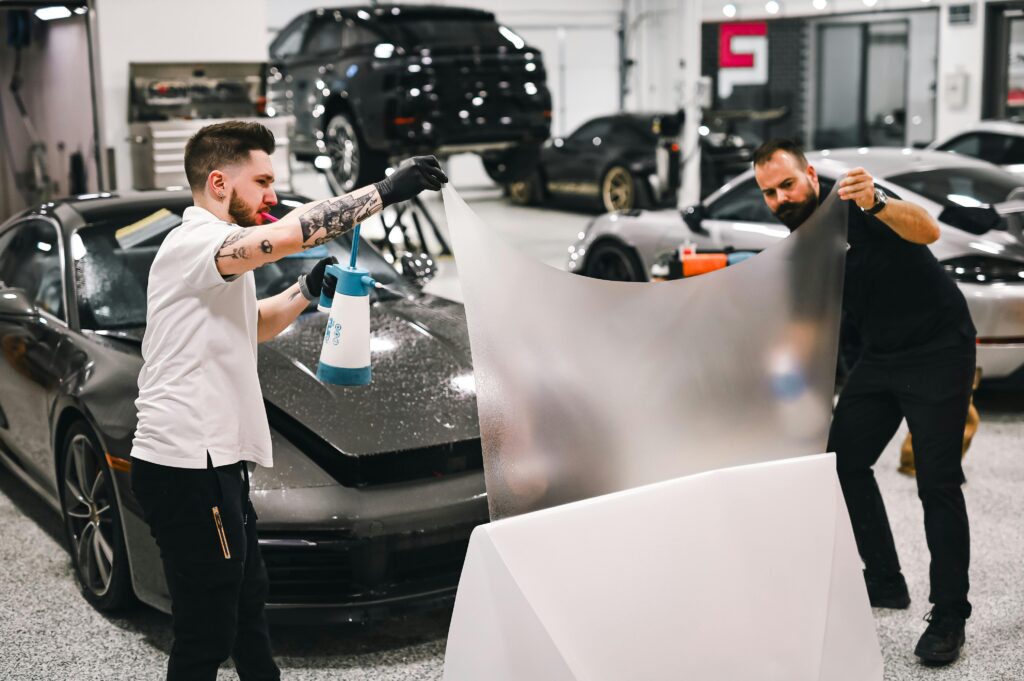
Protective film is a transparent layer designed to shield your vehicle’s paint from various hazards. It acts as a barrier against scratches, chips, and debris that road conditions can throw at your car.
This specialized film is typically made from polyurethane or vinyl materials. Its flexibility allows it to conform seamlessly to the contours of your vehicle’s body.
When applied correctly, protective film becomes nearly invisible while providing robust protection.
Many people appreciate its self-healing properties—light scratches often disappear with heat exposure. This means fewer touch-ups and a consistently sharp appearance for your ride.
Whether you drive on highways or city streets, this innovative solution ensures that your car retains its value longer by keeping the exterior in pristine condition.
Types of Protective Films for Vehicles
When it comes to protective films for vehicles, there are several options tailored to various needs. Clear bra films are among the most popular. They provide a nearly invisible barrier against scratches and chips without altering your car’s aesthetics.
Another option is matte finish film. This type not only protects but also gives your vehicle a unique look, perfect for those wanting a standout appearance while safeguarding their paintwork.
For off-road enthusiasts, heavy-duty films offer extra durability. Designed to withstand harsher conditions, these can tackle rocks and debris with ease.
Self-healing films add an innovative touch. Minor scratches vanish with heat from the sun or even engine warmth, keeping your vehicle looking pristine longer.
Each type serves its purpose, making it essential to choose one that fits your lifestyle and driving habits perfectly.
Benefits of Using a Protective Film on Your Car
Protective film offers a solid barrier against the elements. It shields your car’s paint from rocks, road debris, and harsh weather conditions. Without this layer of defense, minor scrapes can quickly lead to rust and corrosion.
Another significant benefit is its ability to maintain your vehicle’s resale value. A well-protected exterior looks good longer, attracting buyers when it comes time to sell or trade-in.
The self-healing properties of some films mean that light scratches disappear over time. This adds convenience for busy owners who want their cars looking pristine without constant upkeep.
Additionally, protective films provide UV resistance. This helps prevent fading caused by sun exposure, keeping those vibrant colors intact for years.
Many modern films are nearly invisible once applied. This means you get all the protection without compromising aesthetics or the original design of your car.
How to Apply and Maintain a Protective Film
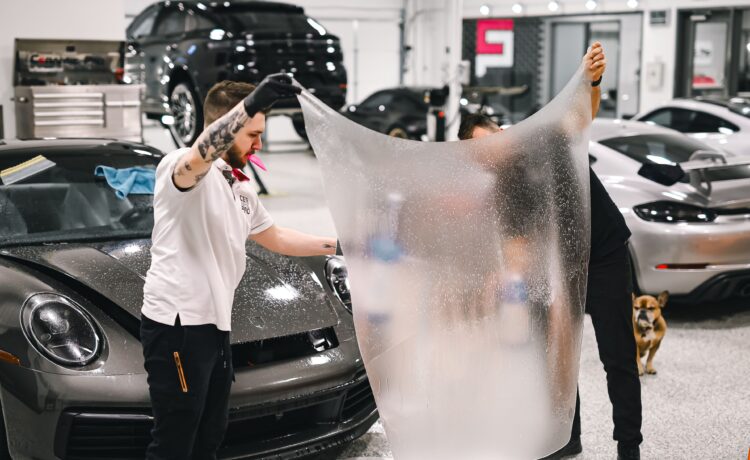
Applying and maintaining a protective film on your vehicle is straightforward, but it does require some attention to detail. Start by thoroughly cleaning the area where you plan to apply the film. Remove all dirt, grime, and wax for a smooth surface.
When applying the film, ensure that you’ve measured correctly. Cut the film slightly larger than needed to allow for adjustments. It’s best done in a controlled environment—ideally indoors or at least out of direct sunlight—to prevent dust from settling on your newly applied layer.
Using a spray solution can help ease installation. Spray both the adhesive side of the protective film and your car’s paint before application. This allows repositioning if necessary without compromising adhesion right away.
Once placed, gently squeegee out air bubbles using a plastic card or specialized tool designed for this purpose. Work from one end to avoid trapping air pockets underneath.
Regular maintenance will prolong the life of your protective film. Wash it with gentle soap and water rather than harsh chemicals that could degrade its integrity over time. Avoid automatic car washes with brushes since they may scratch or peel off edges.
Inspect frequently for any signs of wear or damage so you can address issues early on, ensuring that your vehicle remains shielded against road hazards effectively.