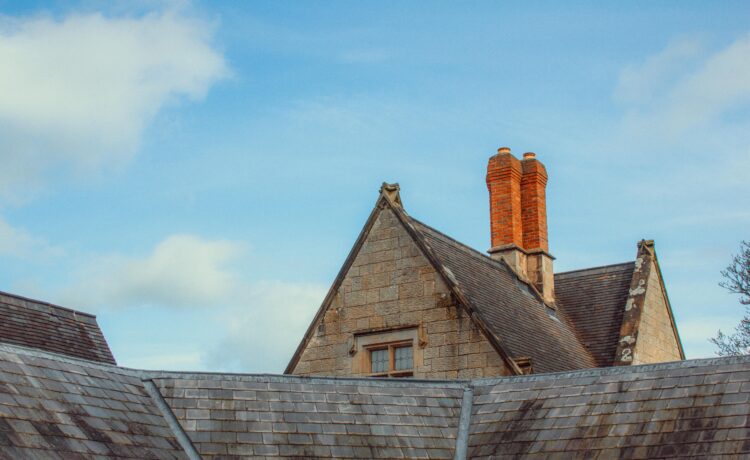
Heritage homes are a treasure trove of history and charm. Their intricate architecture, unique designs, and the stories they hold make them stand out in any neighborhood. However, owning one comes with its own set of challenges—especially when it comes to maintenance. Among these challenges, hidden roof leaks can be particularly troublesome. They often go unnoticed until significant damage occurs.
Understanding your heritage home is vital to preserving its beauty and integrity. Leaks might seem minor at first glance, but they can spiral into costly repairs if not addressed promptly. As we delve deeper into this issue, you’ll discover what signs to look for and how you can protect your historic property from unexpected structural problems caused by water damage.
Common Signs of a Roof Leak
Detecting a roof leak early is crucial for preventing further damage. One of the first signs to watch for is water stains on your ceilings or walls. These often appear as discolored patches, sometimes with peeling paint.
Another indicator can be mold growth in unexpected areas. If you notice an unusual musty smell, it’s worth investigating; it may point to hidden moisture from a leak.Get repaired the roof leaks from reliable heritage slate roof repairs across sydney
Check your attic too, especially after heavy rain. Look for damp spots or drips that could signal trouble overhead.
Outside, inspect shingles and flashing around chimneys or vents. Damaged or missing materials are common culprits behind leaks.
If you experience unexplained increases in energy bills during the rainy season, it might indicate air leaks caused by roofing issues. Stay vigilant—small signs can lead to bigger problems down the line.
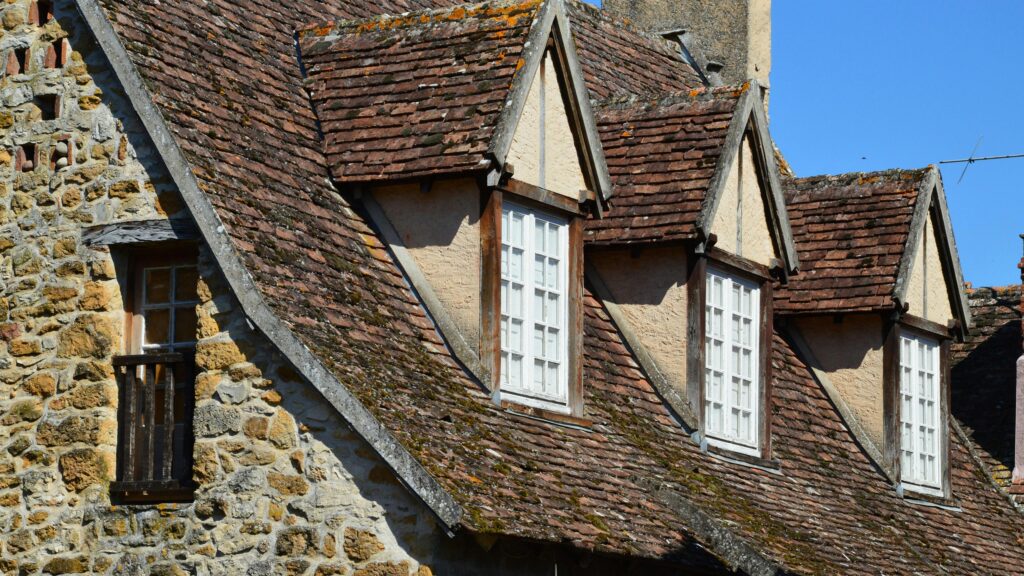
Risks of Ignoring a Roof Leak in Heritage Homes
Ignoring a roof leak in a heritage home can spell disaster. Over time, seemingly minor leaks can lead to significant structural damage. Water intrusion weakens key components, such as beams and joists.
Mold growth is another hidden risk. Damp environments promote mold proliferation, which poses health threats to occupants. The spores can linger long after the water source is addressed.
Furthermore, neglecting repairs often results in increased repair costs down the road. What could have been a simple patch may evolve into extensive renovations that impact your budget and timeline.
Heritage homes are irreplaceable treasures; they require special care. A small leak today could compromise the integrity of historical features tomorrow. Protecting these architectural gems demands vigilance against unnoticed roof issues.
Underlying Causes of Hidden Roof Leaks in Heritage Homes
Heritage homes often showcase beautiful architecture and unique design elements. However, these charming features can also hide potential problems.
One common culprit behind hidden roof leaks is aging materials. Original roofing might deteriorate over time due to wear and tear, making it susceptible to damage.
Another issue arises from improper maintenance. Homeowners may overlook routine inspections or neglect necessary repairs, leading to more extensive issues down the line.
Flashing around chimneys, vents, and skylights can be problematic as well. If the flashing becomes loose or corroded, water may seep into vulnerable areas unnoticed.
Condensation build-up in poorly ventilated attics can also contribute to hidden leaks. This moisture creates an environment for mold growth while slowly damaging structural components.
Understanding these underlying causes allows homeowners to take proactive steps in preserving their cherished heritage properties.
Steps to Prevent and Detect Hidden Roof Leaks
Taking proactive measures can save you from costly repairs down the line. Regular inspections are key to maintaining the integrity of your heritage home. Start by checking for visible damage on the roof, such as missing shingles or cracked tiles. Don’t forget to inspect flashing and seals around vents, chimneys, and skylights.
Consider investing in a professional roofing inspection at least once a year. Experts know what to look for and can identify issues that may not be apparent to an untrained eye. They can also assess materials unique to heritage homes that might require special attention.
Keep gutters clean and free-flowing. Clogged gutters can lead water back onto your roof, increasing the chances of leaks developing over time. Ensure that downspouts direct water away from the foundation of your home.
Inside your home, watch out for stains on ceilings or walls; they could indicate a hidden leak above. If you notice peeling paint or wallpaper, it’s worth investigating further into potential moisture problems.
Implementing these steps will significantly reduce the risk of hidden roof leaks affecting your cherished heritage property while allowing you to enjoy its beauty without worry.