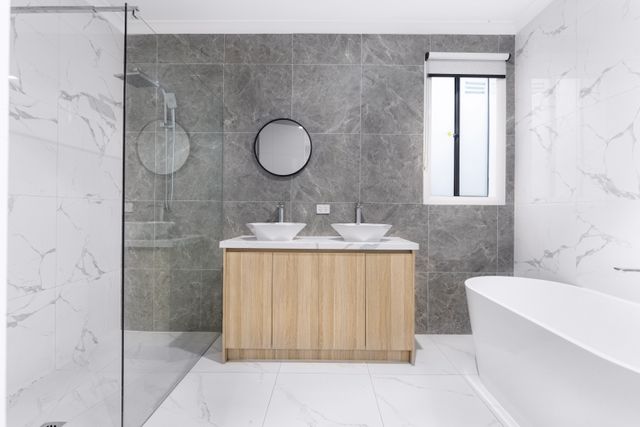
Water-efficient tapware, showers and toilets have saved around 2,060 gigalitres of water throughout Australia since 2005. In a 2026 release by the Northern Territory Government, the value of this water saving amounts to about $16.6 billion in bill savings. Most of this takes place within one small room, and this is also where many renovators experience their greatest disappointments. Bathroom renovators will tell you that the hard work lies in places that cannot be seen until after the tiles go on.
Why Bathrooms Fail Silently?
Steam, splashing and daily use set out to ruin a bathroom right from the moment the first shower takes place. Tiles look waterproof, but water leaks through grout and joints over time. The waterproofing layer lies beneath the tiles. In Victoria, wet-area waterproofing must meet either the Australian Standard AS 3740 as well as the appropriate national housing provisions or the waterproofing clauses in those provisions alone. By then, fixing the problem will involve tearing out the finishes that were once admired. Getting the sequencing right, waterproofing, testing and curing prior to laying tiles, is the only affordable insurance.
Requirements differ depending on the extent of the work, so changing the layout or making any structural change can introduce requirements that did not exist for a simpler renovation. Plumbing work needs to be done by a licensed plumber, and getting the requirements sorted with the builder, or other bathroom renovators, ahead of time prevents nasty surprises.
Design Around the Pipes, Not Just the Inspiration Photos
Photos provide inspiration but say little about where the plumbing pipes and drainage lie. Moving a toilet or shower involves repositioning plumbing and drainage pipes and thus adds to both cost and complexity of the job. Keeping the fixtures where they are often allows enough money for higher quality finishes elsewhere. Old houses will introduce their own challenges in the form of uneven floors, old plumbing pipes and restricted wall cavities. A site visit before designing the plans will catch most of these issues in advance. Builders that take part in the design process can alert you to the potential problems at an early stage.
The Water, Heat and the Running Bill
Water ratings labels look at stars; the more stars you see, the less water you’ll use to get the same job done. At the moment the highest ratings available vary depending on the product; six stars for taps and toilets, five for showers. The label also shows the flow in litres per minute, which is especially useful for showers that are on for several minutes. When a builder or plumber fits these fixtures, they need to make sure every single one is registered and has the right label on it.
Heating up the water usually costs more than the water itself, so using less water can cut your bills in two. That being said, comfort still matters, because a really weak shower might tempt people to take the flow restrictors off and throw that saving right out the window. If you can test a showerhead in a showroom where they have them on display, all the better, rather than just trusting the star rating on its own. Thermostatic mixers hold the temperature steady, so you no longer have to fiddle with the taps to get the water just right.
Choosing the Right Materials for Life with Water Around
Big-format tiles mean fewer grout lines, which means fewer joints to clean and keep an eye on. Floors, on the other hand, need to be able to withstand wet feet without being a slipping nightmare. You won’t get that from a finish that’s been polished to within an inch of its life. Vanities and joinery are exposed to water every single day, so it’s well worth paying a bit extra for moisture-resistant cores and sealed edges. And then there’s ventilation, which is probably the most underrated purchase of all, because a good exhaust fan is what gets rid of the moisture that actually damages everything else. If you can, get the ducting to go outside rather than just into the roof space; that’s the way to do it.
Lighting, Storage and Those Little Details That Make a Difference
You should be thinking about lighting right from the start, because once the walls are closed in, you’re stuck with the wiring decisions you made. Recessed niches and deep drawers are great for keeping clutter off the benches and making a small room feel a lot calmer. Mirrors with built-in storage and well-placed towel rails can really help stretch a small floor plan. Before you order any cabinets, try sticking the sizes on the floor with some tape, so you can see if they’re going to fit properly.
Designing for the Body You’ll Have in Twenty Years’ Time
A shower that’s low to the ground is probably the most stylish option, but it’s also really practical for people who might need to use a walking frame or have a sore knee. Adding a bit of solid timber to the wall linings while you’re at it won’t break the bank, and it’ll mean you can add grab rails later on down the track. Wider doorways, lever handles and good lighting will help every age group, not just the older people. Planning for the future is not usually top of the list, but it’s something that tends to age really well in most homes.
Budgeting Without Guesswork
A clear quote should break down the costs into scope, materials and finishes, so you know exactly what you’re getting. And then there are allowances, those placeholder sums that are used for things that you haven’t chosen yet. That’s where most budgets get blown out.
The Order of Works and Living Through It
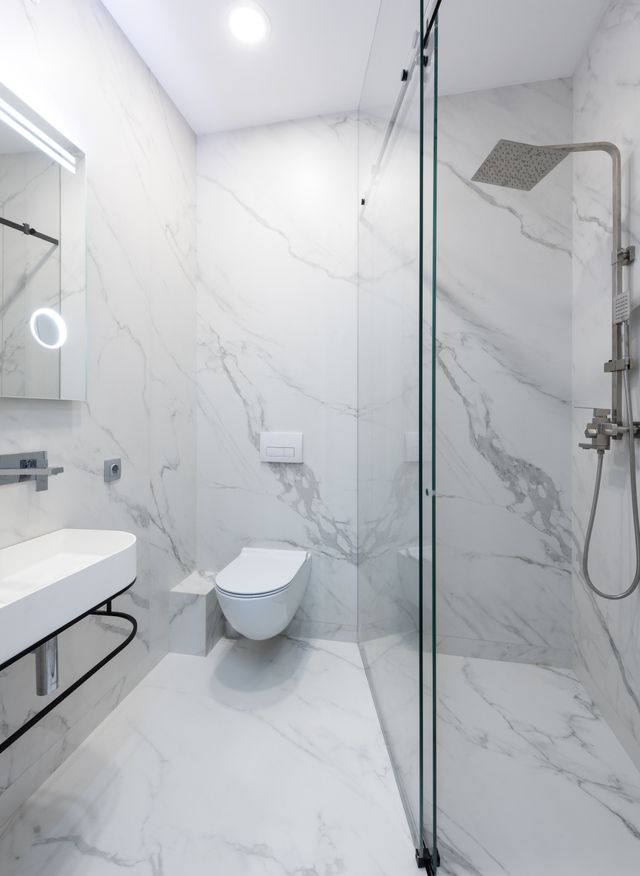
First you need to knock things down, then you get the plumbing and electrical rough-in done, after that it’s waterproofing. Just remember that you can’t rush membrane cure times, no matter how keen you are to see the tiles go up. Then you get to the good stuff, tiling, followed by fit-off of all the fixtures, joinery and the final sealing.
Households without a second bathroom need to think ahead, whether that means signing up to a gym membership, borrowing a friend’s spare room or setting up a temporary setup. And when it comes time to hand the place over, take a slow walk-through with the builder to check every single join, seal and fitting before you make that final payment.