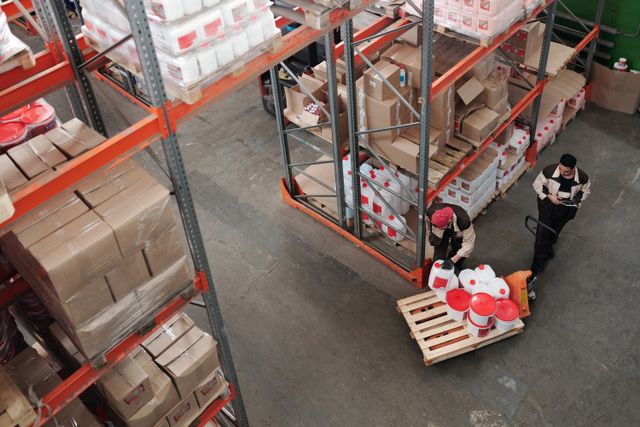
High value goods gives new meaning to ordinary logistics details. A pallet of specialist electronics, branded stock or sensitive equipment might need more than strong wrapping and a delivery address. The business needs to know who did what, where things were moved, and how strange occurrences were noted. The best security is when these controls are built into the movement, rather than being added after a loss or unexplained discrepancy.
Not all good consignments require the same controls. The risk is dependent on product attractiveness, difficulty of replacement, route, storage time and number of hand-overs. Too many procedures can add cost without adding protection; too few can leave critical gaps. “Simple risk review sees if the shipment requires tamper-proof seals, limited information, extra tracking or a more direct move with less handling.”
Protection Starts With Knowing What To Protect
Packaging and documentation should be designed to make unauthorised interference difficult to conceal and yet maintain practical normal handling for secure pallet freight Australia-wide. Numbered seals or bands, as appropriate, may be used with stretch wrap, if desired. Identifiers should be recorded prior to collection. The goal is not to erect a fortification around the pallet, But rather to be able to tell with every handover if the load remains in the state in which it was left.
‘Tamper evidence should be easily understood. A seal is only valid if it is documented and the receiving team knows where to find it. Photos at dispatch can show wrapping, labelling and visible condition. Depots procedures should detail the handling of outer packaging where pallets are rehandled and require repair. Proper maintenance should leave a trail, so that later reviewers can tell authorised work from unexplained change.
Tamper Evidence Should Be Readily Visible
The point of handover determines the chain of custody. There are responsibility transfer points at collection, depot transfer, linehaul loading and final delivery. Those transitions can be recorded by scans, signatures or system events. Detail should be proportional to the risk and usable by the operations staff. If a process is complicated and workers cannot consistently follow it, it may be less protective than a simpler process that is followed every time.
And information security is important too. Labels should have enough detail for delivery but should not unnecessarily advertize the valuable contents. Handling instructions may be found in internal booking notes so sensitive descriptions are not put on the outside of the pallet. Contact details should be current to be able to escalate exceptions quickly. Protecting goods is not simply about putting more physical material around the goods, but who needs to know what’,
Records for Accountability Transfer
The chain is closed by receiving procedures. The authorised person should check the pallet count, seal details and the visible condition before signing. Any variations should be noted immediately, preferably with photographs. The load may then pass into the internal controls of the receiver without a gap in accountability. The documentation of the prompt makes investigation go faster because the question becomes where did the chain change, not if anyone remembers seeing anything unusual.

Striking a balance between privacy and security
Secure national pallet movement is built on consistent, understandable controls. Risk assessment, tamper evidence, recorded handovers and disciplined receiving create a trail to follow without unnecessarily slowing every shipment. The strongest system is not the one that has the most security language. It is the one where everyone knows exactly what cheque they own and the record is clear when the responsibility passed to the next level.