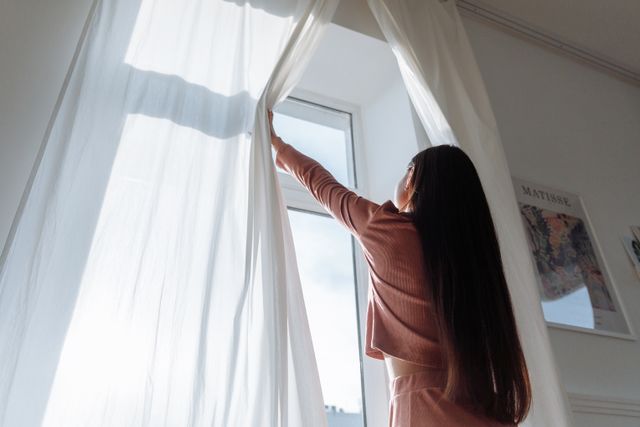
Normal glass is completely rubbish at blocking solar energy. It lets visible light in and just about all the infrared radiation that comes with it. This makes the window one of the main ways that heat gets into any house. In Queensland, Victoria and Western Australia, where the midday sunshine is brutal and goes on for ages, even a well-insulated house with the air conditioner whirring away will struggle if its windows do not have any treatment.
Heat reducing window film tackles the problem at the source. It’s just a thin film that gets applied directly to the inside of the glass. No ripping out the old windows and no structural work. The difference it makes is quite measurable. Some films can chop the Solar Heat Gain Coefficient of a window in half by absorbing and reflecting the sun’s rays, according to the Window Film and Aftermarket Automotive Tinting Association of Australia and New Zealand.
How the Films Work: Three Main Types?
There are three main kinds of window film. Each one works a bit differently and is best suited to the local conditions here in Australia. Ceramic films soak up infrared radiation rather than bouncing it right back at you. The heat does not get through to the inside of the house. Ceramic films keep the heat out without making the room look any darker or the window look unusual. 3M’s Prestige film is a good example. It blocks a whopping 97% of the infrared heat, and it still lets loads of visible light through.
Metallised films take a different tack. They reflect the sun’s radiation by using a thin layer of metal. They’re value for money, and they also block a bunch of UV radiation. The downside is that they can look a bit dodgy, a bit too shiny for some properties. They probably would not be allowed in some apartment blocks or commercial buildings. Dual-reflective films are a compromise. They’ve got a reflective layer on the outside and a normal finish on the inside. They give you some daytime privacy, block the heat and do not make the room look like a disco. They’re a good option for houses that get a lot of direct sun, especially if the windows are on the east or west side.
Low-E Film: The Winter-Proofing Option Most Australians Overlook
Most people just get solar film to get rid of the heat in summer. Low-E (Low emissivity) film does something a bit extra in winter. It sends any radiant heat coming from inside the room straight back in rather than letting it escape through the window. Solar Gard Ecolux 70 is a Low-E film that’s been widely released here in Australia. It’s also good for the environment. It blocks 52% of the heat coming in during summer and 48% of the heat going out during winter. Once it’s installed, it’s practically invisible. The 3M Thinsulate Climate Control range works in a similar way. It makes a single-pane window perform a lot like double glazing, according to testing data.
WERS for Film: Australia’s Independent Energy Rating Scheme
The Window Energy Rating Scheme (WERS for film) is an Australian energy rating system. Films rated under it receive a verified performance rating when a WERS-accredited installer completes the job. Once the installation is finished, the project generates an energy certificate that counts towards the building’s energy assessment. It does not, however, apply in New Zealand. WERS-accredited tradespeople, like the team at Eclipse Tint in Melbourne, hand these certificates over to their clients. The documentation can improve a property’s energy rating and may even affect resale value later on. For commercial tenants trying to meet green lease requirements, the WERS paperwork from the installation is an important part of compliance.
Residential vs Commercial: Getting the Specification Right
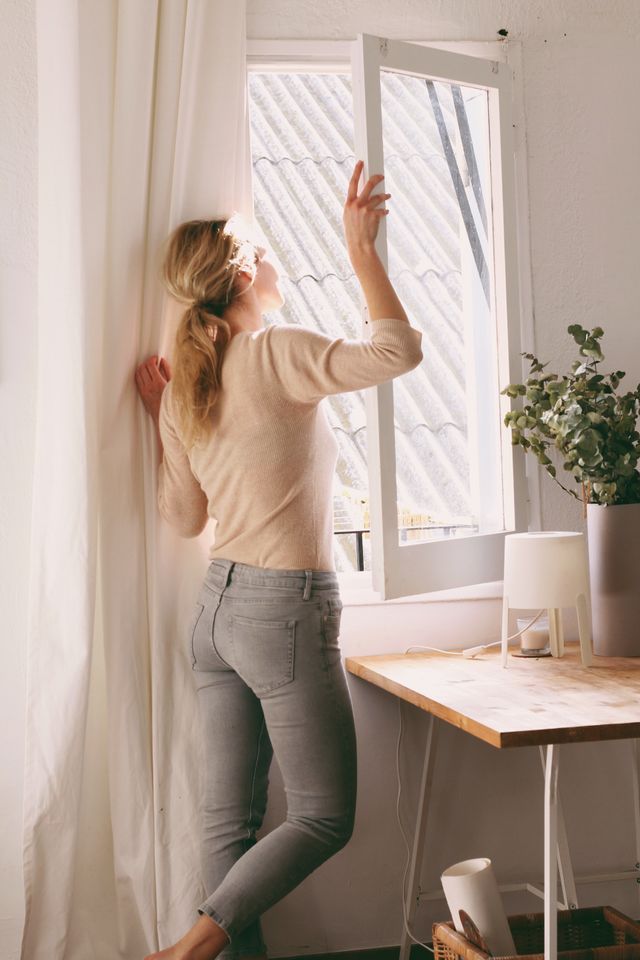
For many homeowners retrofitting bedroom windows on the east side, the brief is fairly simple. Keep the morning heat out, keep some natural light in, and avoid windows looking too dark. A ceramic or dual-reflective film with a mid-range SHGC, installed by a professional, usually solves the problem. DIY film options are available. If you need a WERS certificate, an accredited installer must complete the work. On large panes of glass, the difference between a professional installation and a DIY job is often quite noticeable. Commercial buildings with large glass facades have a completely different set of requirements. At that scale, window orientation becomes even more important. A west-facing curtain wall in a Melbourne CBD office faces a very different level of heat stress compared with a north-facing facade in Brisbane. The type of glass also matters. Applying the wrong film to double-glazed or heat-absorbing glass can create serious issues, including cracking. The assessment process cannot be skipped for commercial projects. It is essential to match the right film with the right glass in the right location.
For most Australian homeowners, a professional consultation followed by a WERS-rated ceramic or Low-E film installation is one of the best upgrades for summer comfort. The cost is relatively small, the disruption is minimal, and the existing glass stays in place. That makes it a practical upgrade all round.