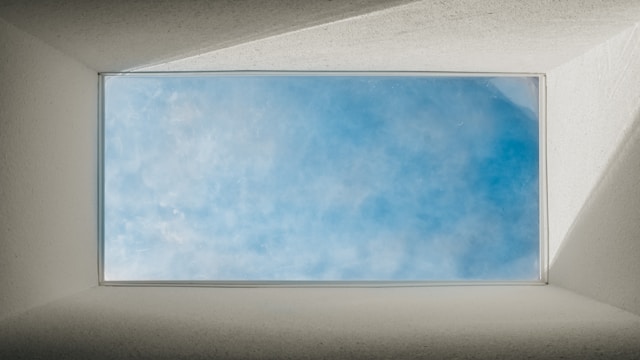
Natural light has a profound effect on the feel of a home. Spaces that are well-lit with sunlight feel larger, warmer, and more inviting than those that rely solely on artificial lighting. For Australian homeowners looking to improve the liveability of their homes without a major renovation, skylights offer an elegant and effective solution that delivers immediate and lasting benefits. Modern skylight technology has advanced considerably, offering options that suit a wide range of roof types, architectural styles, and budgetary requirements. From fixed flat glass units to vented tubular designs, there is a skylight solution for almost every application.
Australian Home Skylight Types
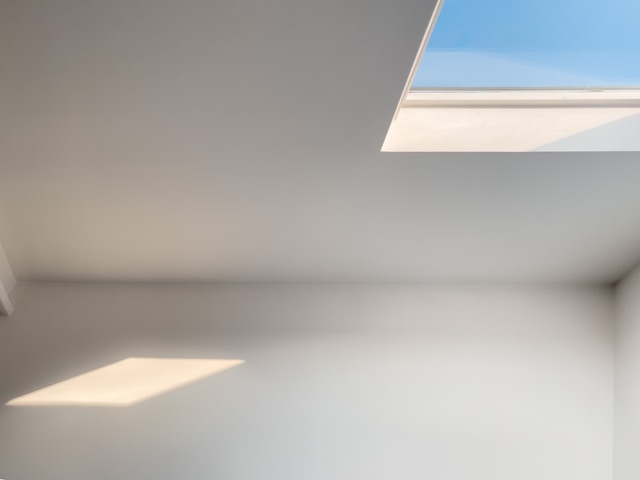
House skylights come in a variety of forms to suit different needs and roof configurations. Fixed skylights are the most common, providing consistent natural light to a space without any ventilation function. Vented or operable skylights can be opened to allow fresh air circulation, which is particularly valuable in kitchens, bathrooms, and other moisture-prone areas. Tubular skylights use a reflective tube to channel daylight from the roof into spaces where traditional skylights cannot be installed. For energy efficiency, modern skylights are available with double or triple glazing, low-emissivity coatings, and thermally broken frames that minimise heat transfer. These features are particularly important in Australia’s diverse climate, where skylights need to perform well in both summer heat and winter cold.
Selecting the Ideal Skylight for Your Requirements
The right skylight for your home depends on several factors: the orientation of the roof, the size of the space to be lit, the desired aesthetic, and any ventilation needs. A north-facing skylight captures the most consistent light throughout the day in Australia, while east or west-facing installations need careful consideration of sun angles to avoid glare or excessive heat gain. Consulting with a qualified installer before purchasing is strongly recommended. An experienced professional can assess your roof structure, advise on the best position and size for maximum benefit, and ensure that the installation is carried out to the required standards for weatherproofing and energy efficiency.

Installation and Continued Upkeep
Skylight installation should always be carried out by a licensed tradesperson with experience in both roofing and, where required, electrical work for motorised or sensor-controlled units. Correct flashing and sealing around the skylight frame is critical to preventing water ingress, which is the most common cause of problems with poorly installed skylights. Maintenance requirements are minimal for well-installed skylights. Periodic cleaning of the glazing surface, both inside and outside, keeps light transmission at its best. Checking seals and flashings annually ensures that weatherproofing remains effective. With proper installation and basic care, a quality skylight should provide decades of reliable service and consistent natural light.