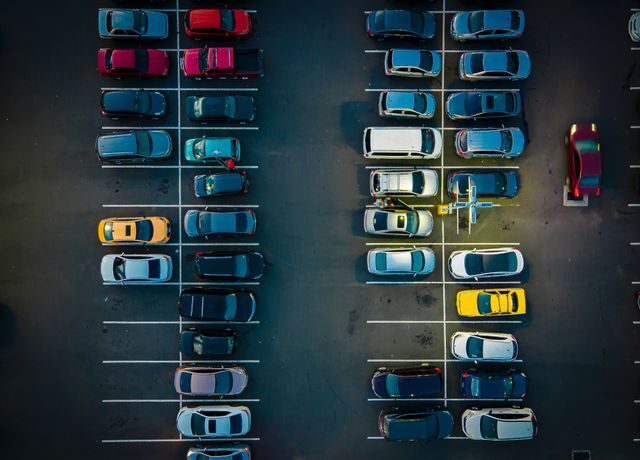
To manage roads, car parking and access sites, it is important to know who is using the site and what they are doing and what they are. That’s why an increasing number of organisations are relying on machine vision and automated identification, as this approach is faster, more consistent and cost-effective than doing it manually. Sensor Dynamics traffic technology is driven by this concept – cameras, software, and engineering skills to detect, identify and classify vehicles of all shapes and sizes in a variety of settings and then to convert that data into evidence, revenue, and insight.
Types of Solutions
The technology is comprised of multiple intermingled capabilities. The recognition of the licence plate number recognises the vehicles automatically and is used in parking as well as traffic applications. The machine learning and AI classification system helps identify cars, trucks, and other vehicles, allowing for more passenger traffic to be monitored, especially since heavy vehicles cause stress on roads and bridges. Roadside portable traffic detection units, sometimes solar-powered, can be set up to gather data without permanent installations. Ticketless parking systems apply to car parks which are not ticketed or accompanied by ticket consumables, parking guidance applies to the specific use of car parks and taxi rank management and subscription-based parking are used to address more specific operational requirements. If there is no off the shelf solution, custom solutions are developed around the requirement.
How Projects Are Delivered
One of the things that makes it different are the concepts of covering the entire lifecycle, not just the part where you’re getting equipment. It starts with consulting in which analysts carefully listen to the problem or opportunity and determine the way the system will be tested against the requirement. Then, the product is designed and documented on paper, and the client knows exactly how to get it. The solution is implemented by engineers in software, electronics, electrical and mechanical fields, while systems are built in-house to guarantee a high level of quality. The design of the software is for high volume and high availability for transactional purposes, as is important when systems are operational, running round the clock. Service agreements include maintenance and repairs via a helpdesk and to the onsite technician if required following installation.
Who Benefits From Vehicle Identification Technology
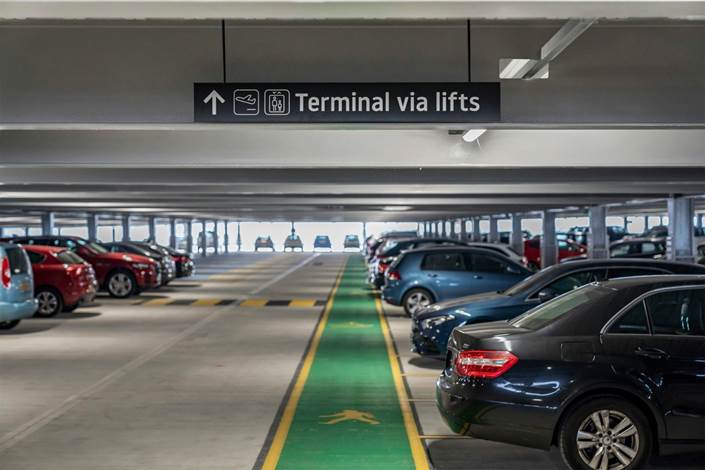
This type of capability is beneficial for a variety of organisations. Road authorities and councils receive objective data of speeding and heavy vehicle usage, which helps them plan road maintenance and meet compliance requirements. Airports, large car parks: enhance revenue, compliance and security. Retailers can control the parking of customers, warn against all day parking by non-customers, and collect information to better staff and service. Reliable vehicle data is a benefit to law enforcement agencies. In all of these environments, the consistent benefits include greater reliability, higher revenue and real business intelligence. When organisations are considering their choice of specialist, one with many years of experience, in-house engineering and a support team minimising the risk of dealing with newer, unproven suppliers.