
Branding is more than just a logo or catchy tagline; it’s the heartbeat of your business. It’s how customers perceive you and what sets you apart in a crowded marketplace. As times change, brands must evolve to stay relevant. The idea of changing your brand can feel daunting, but it doesn’t have to be.
Whether you’re facing shifts in consumer preferences or wanting to refresh an outdated image, navigating brand change with confidence is crucial. Embracing this journey opens doors for innovation and connection with your audience like never before. Let’s explore how businesses can successfully traverse these waters, ensuring that every step leads them closer to their goals without losing sight of who they are at their core.
The Importance of Branding
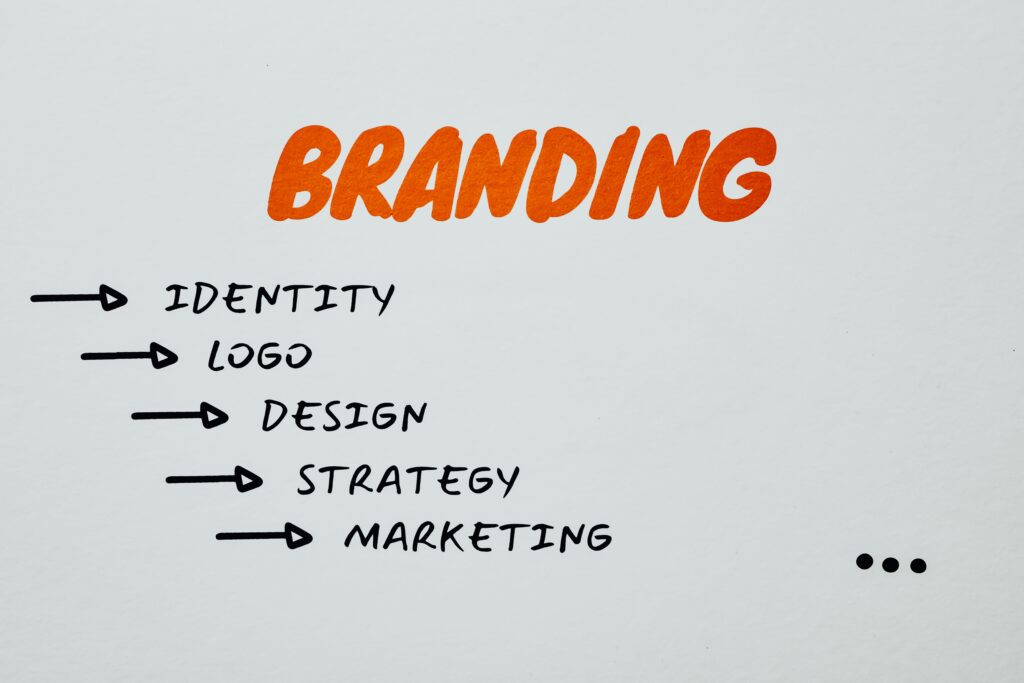
Branding is the foundation upon which your business stands. It shapes perceptions and builds trust with consumers. A strong brand transformation strategies for companies identity helps to create an emotional connection, making customers more likely to choose you over competitors.
It goes beyond visuals; branding encompasses your values, mission, and voice. These elements resonate deeply with audiences and foster loyalty over time. When people feel aligned with a brand’s beliefs, they’re not just buyers—they become advocates.
Moreover, effective branding can enhance recognition in a saturated market. A memorable logo or consistent messaging ensures that when customers think of a solution you provide, your name pops up first.
In essence, good branding sets the stage for long-term success. It’s the promise made to customers about what they can consistently expect from you. As businesses grow and adapt, maintaining this core identity remains vital amidst inevitable changes.
Understanding the Need for Change
Brands evolve for many reasons. Sometimes, it’s a response to shifting market dynamics. Other times, it might be about staying relevant in an ever-changing consumer landscape.
Perhaps the audience has changed. As demographics shift and preferences evolve, brands must adapt to meet new desires. A fresh perspective can breathe life into a stagnant image.
Competition also drives change. If rivals are innovating while your brand remains static, you risk losing market share. Recognizing when to pivot is crucial.
Additionally, internal factors play a role too. Company values or leadership changes may necessitate a rebranding effort. Aligning branding with current mission statements ensures authenticity.
Understanding the need for change requires keen observation and reflection on both external trends and internal shifts within the organization. Embracing this awareness sets the stage for impactful transformation.
Conducting Market Research and Gathering Feedback
Market research is your roadmap during a rebrand. It helps you understand what resonates with your audience. Surveys, focus groups, and social media polls can reveal valuable insights.
Start by identifying key demographics. Who are your customers? What do they value? This data shapes the direction of your brand change.
Gather feedback from both loyal clients and potential new ones. Their perspectives can highlight strengths to build on and weaknesses to address.
Consider analyzing competitors as well. Understanding their branding strategies may uncover gaps in the market that you can exploit.
Don’t shy away from criticism. Constructive feedback is an opportunity for growth. Embrace it as part of the process; it leads to a more informed decision-making approach regarding your brand’s evolution.
Implementing the Rebrand: Tips and Best Practices
Implementing a rebrand requires careful planning. Start by creating a detailed timeline that outlines each stage of the process.
Engage your team early on. Their insights can be invaluable and foster a sense of ownership in the new brand identity.
Be consistent across all platforms. Update your website, social media profiles, packaging, and marketing materials simultaneously to avoid confusion among customers.
Consider a soft launch before going fully public. This allows you to gather feedback and make adjustments without the pressure of widespread scrutiny.
Train your staff on how to communicate the changes effectively. They are often the first point of contact for customers and need to embody the new brand values.
Monitor engagement closely during this transition period. Analyze metrics like customer sentiment and sales data to gauge how well your audience is responding to the rebrand effort.
Communicating the Change to Customers and Stakeholders
Communicating change effectively is crucial for maintaining trust and engagement. Start by crafting a clear message that explains the reasons behind the rebrand. Transparency fosters understanding.
Utilize multiple channels to reach your audience, including social media, email newsletters, and your website. Tailor your messaging for each platform while keeping it consistent across all touchpoints.
Engage with customers directly through Q&A sessions or webinars. This invites dialogue and allows you to address their concerns in real-time. Encourage feedback; it shows you value their opinion.
It’s also important to share stories about the brand’s evolution. Highlighting what remains constant can reassure loyal customers while attracting new ones intrigued by the refreshed identity.
Remember to celebrate this transition internally as well. Keep employees informed and involved in sharing news about the rebranding effort—they are powerful advocates for your new direction.
By prioritizing open communication throughout this process, businesses can successfully navigate brand changes while reinforcing connections with both customers and stakeholders alike.