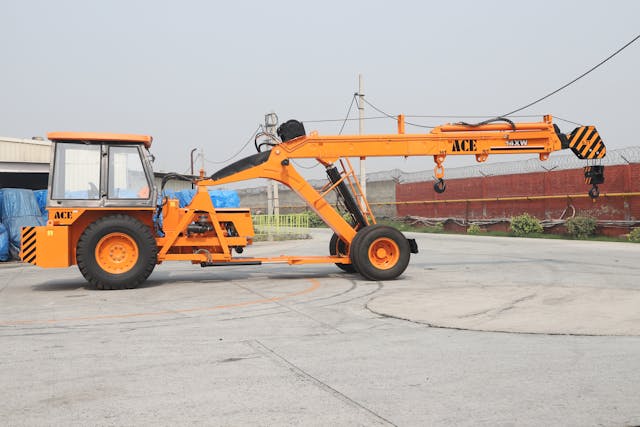
Urban lifting has never been only about reach and capacity. Space is tighter, projects are more constrained, streets are busier, and access problems show up long before the crane even starts working. That’s why innovations in crane design matter so much on modern jobs. Better crane technology doesn’t only improve lifting power. It changes what’s possible on sites where setup room is limited and the margin for error is smaller.
That shift has real consequences for builders, project managers, and contractors working in dense areas. A crane that can fit the site more cleanly, set up faster, or operate with better control can reduce disruption and help the whole job move with less friction. In urban work, that matters because the crane often sits right in the middle of programme pressure, logistics pressure, and public-space pressure all at once.
Smaller footprints are doing more work
One of the clearest changes in crane design has been the push towards machines that deliver more capability without demanding as much room. That matters immediately on urban sites where street width, neighbouring structures, and general congestion can make setup the hardest part of the job.
More compact crane designs help operators access sites that would have been far more awkward with older equipment profiles. A machine with a tighter footprint can reduce the amount of surrounding space that needs to be controlled, which in turn can ease pressure around traffic, site staging, and nearby operations. In practical terms, that can be the difference between a lift that fits into the programme and one that creates a major logisticalheadache.
Better control systems improve precision under pressure
Urban lifting rarely gives much room for sloppy movement. Loads may be travelling near façades, over active work zones, around services, or into places where tolerance is tight and visibility is limited. Better control systems make a real difference there.
Modern crane design has leaned more heavily into smoother operation, more responsive controls, and better load handling. That gives operators more precision during lifts that need careful placement rather than brute force. On constrained sites, smoother movement often matters more than headline lifting drama. The more accurately a crane can place the load, the less disruption the lift tends to cause around it.
Setup efficiency matters more than people admit
A crane may only be on site for part of the day, though setup and pack-down often shape the real burden on the project. In urban areas, where road access, staging space, and public interface all need managing carefully, setup efficiency becomes a major factor.
Newer crane design has improved this side of the work through smarter stabiliser layouts, better transport integration, and more efficient deployment. That means less wasted movement and, in some cases, a cleaner path from arrival to operation. For the project team, that can reduce downtime around the lift and help the crane slot into a narrow site window more effectively.
Reach and flexibility now work together more cleanly
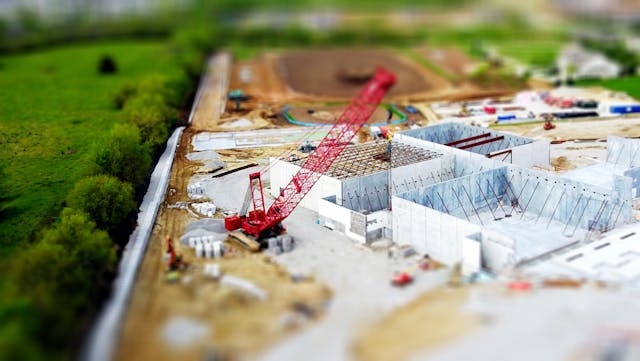
Older assumptions around crane work often treated compactness and capability as competing priorities. Tight-access machines handled one class of work, while larger, more capable cranes dealt with another. Design improvements have started softening that divide.
Modern cranes are being built to offer stronger flexibility across varying site conditions.Better boom design, more efficient load charts, and improved articulation in certain machine categories can make a crane more useful across jobs that don’t fit one neat template. That matters in urban environments because site conditions can change block by block. A machine that adapts more cleanly to those differences gives planners more room to solve difficult lifts without overcommitting to bigger equipment than the job really needs.
Safety gains matter even more in dense environments
Urban jobs carry extra layers of exposure. Pedestrians, adjacent properties, traffic, nearby workers, and restricted operating envelopes all raise the stakes. Better crane design helps here by improving visibility, control, system feedback, and the overall predictability of the lift.
That doesn’t remove the need for planning, spotters, exclusion zones, and strong site management. Still, design improvements that support safer operation under constrained conditions have real value. On tighter sites, better information and better machine responsiveness can reduce the chance of small issues becoming bigger ones.
Transport logistics shape the whole decision
In dense metro areas, getting the crane to site can be nearly as challenging as using it once it arrives. Vehicle movement restrictions, narrow streets, staging limitations, and time-sensitive delivery windows all affect what kind of crane actually makes sense.
This is where recent design thinking has helped again. Machines that move more efficiently between jobs, integrate more cleanly with transport requirements, or reduce the logistical burden around mobilisation can improve project planning before the lift even begins. A capable crane that causes fewer headaches getting into position has obvious value in city work.
Urban construction rewards versatility
One reason crane innovation matters so much right now is that urban jobs rarely stay simple. A crane may need to support steel placement one day, plant installation the next, then handle awkward materials in a restricted pocket of the site after that. Equipment that can respond to a wider range of lifting conditions gives contractors more options withoutforcing every problem into the same solution.
That versatility helps with programme pressure too. Urban projects often run with less tolerance for delay, less room for error, and less appetite for major site disruption. A crane that can do more within a tighter operating envelope becomes far more than a lifting asset.It becomes part of the project’s overall flexibility.
Better crane design changes planning, not only performance
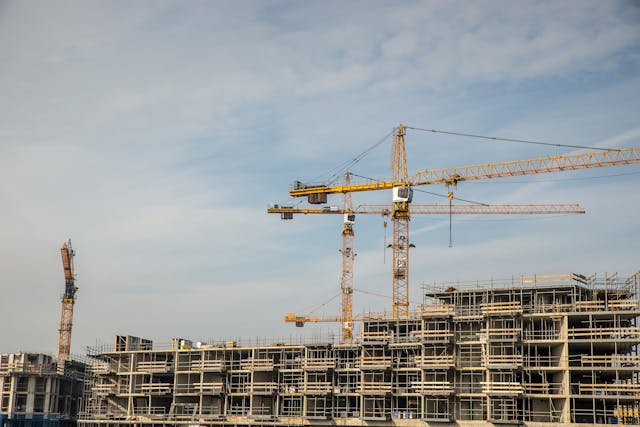
A lot of discussion around crane innovation focuses on the machine itself. Fair enough. Still, the bigger impact often shows up in planning. When cranes become easier to place, easier to control, and more suitable for constrained conditions, project teams can build better logistics plans around them.
That may mean fewer road impacts, smoother sequencing, cleaner access decisions, or less need to over-engineer the lift approach simply because the equipment options were too blunt before. Innovation starts paying off well before the hook is in the air.
Tight-access jobs need smarter tools, not just stronger ones
Urban lifting doesn’t reward size alone. It rewards fit. The best crane for the job is often the one that solves the access problem cleanly, operates with precision, and keeps the wider site moving without unnecessary disruption.
That’s what recent innovations in crane design are really changing. They’re making cranes more workable in the kinds of environments where old assumptions break down; dense streets, narrow sites, awkward staging, and projects where every square metre counts. For urban work, that’s not a minor improvement. It changes what can be delivered, and how smoothly it can be done.