
Electrical switchboards play a critical role in the distribution of electricity within residential, commercial, and industrial settings. These units are responsible for controlling and protecting electrical circuits, ensuring that power flows safely to various devices and systems. However, with their vital function comes the need for robust protection against environmental factors and potential hazards.
Enter enclosures specialized structures designed to shield electrical switchboards from dust, moisture, impacts, and other external threats. But what exactly are these enclosures? And how do they enhance the performance and longevity of your switchboard? Understanding their significance can help you make informed choices about your electrical installations. Let’s explore how enclosures work to protect your valuable equipment while providing peace of mind in everyday operations.
What are Enclosures and How Do They Help?
Enclosures are protective barriers designed to house electrical switchboards. They serve as a shield against various environmental factors that could compromise the performance and safety of vital equipment. An electrical switchboard enclosure provides an additional layer of protection for sensitive electrical components.
These structures come in different materials, such as metal or plastic, ensuring durability and resistance to corrosion. Their primary function is to prevent dust, moisture, and physical damage from impacting sensitive components inside.
Moreover, enclosures enhance safety by containing any potential hazards. Should an electrical fault occur, they minimize exposure to harmful elements for both equipment and personnel nearby.
The design of these enclosures often incorporates ventilation options too. This allows heat dissipation while still offering robust protection against external threats. Thus, enclosures play a crucial role in maintaining the integrity of electrical systems in various settings.
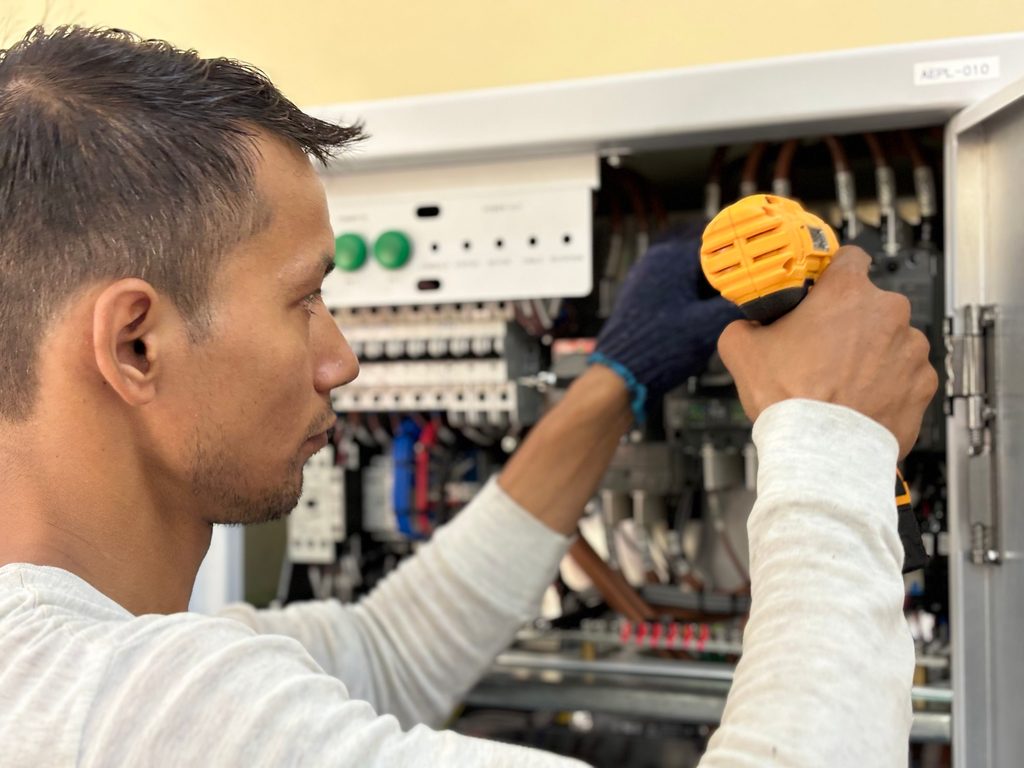
Benefits of Using Enclosures for Electrical Switchboards
Enclosures provide essential protection for electrical switchboards. They shield vital components from dust, moisture, and debris. This is crucial in maintaining the longevity and efficiency of your equipment.
Safety is another significant benefit. Enclosed switchboards reduce the risk of accidental contact with live parts. This helps prevent electrical shocks and ensures compliance with safety regulations.
Temperature regulation also plays a role in performance. Enclosures can help maintain optimal operating temperatures by offering ventilation options or insulation features.
Moreover, enclosures enhance aesthetic appeal in workplaces or industrial settings. A well-designed enclosure blends seamlessly into its environment while keeping everything organized.
Using enclosures can lead to long-term cost savings through reduced maintenance needs and fewer repairs over time. Investing in quality enclosures pays off by securing both your equipment and your workspace’s overall integrity.
Factors to Consider When Choosing an Enclosure
Choosing the right enclosure for your electrical switchboard is crucial. Start by assessing the environment where it will be installed. Factors like temperature, humidity, and exposure to chemicals can greatly influence material choice.
Next, consider the size of your switchboard. The enclosure should provide sufficient space for easy access and maintenance while ensuring everything fits securely inside.
Don’t overlook safety ratings as well; enclosures come with different IP (Ingress Protection) ratings that indicate their resistance to dust and moisture. This aspect is vital in protecting against harsh conditions.
Think about future needs. You might want an enclosure that allows for upgrades or modifications without requiring a complete replacement down the line. Prioritizing these factors can lead to a more effective solution tailored to your specific requirements.
Proper Maintenance and Care for Enclosed Electrical Switchboards
Proper maintenance and care are crucial for ensuring the longevity and effectiveness of enclosed electrical switchboards. Regular inspections help identify potential issues before they escalate into more significant problems. Check for signs of wear, rust, or damage on both the enclosure and its contents.
Cleaning is also vital. Dust accumulation can lead to overheating or interference with electrical connections. Use a dry cloth or vacuum designed for electronics to keep the area tidy without causing additional harm.
Pay attention to humidity levels in environments where enclosures are installed. Excess moisture can compromise equipment integrity over time. If necessary, consider using dehumidifiers in particularly damp areas.
Ensure that all access points remain secured after maintenance work is completed. This not only protects against unauthorized entry but also helps maintain safe operating conditions within the enclosure.
Taking these steps will contribute significantly to the durability and performance of your electrical switchboard setup, allowing it to function effectively while minimizing risks associated with electrical systems.